The six-second cut is a different film
Short edits are not trailers for the long one. Why we write, shoot and cut the six seconds first.
 Amara DialloHead of social
Most campaigns are still written as a 30-second film, then cut down for social at the end of the edit. The six-second version becomes whatever is left over: the logo, a product shot, one line. People scroll past it, and the media plan keeps paying for it.
We now write the six seconds first.
Six seconds is a story, not a clip
A good six-second film has a beginning, a turn and an end. It has one idea and nothing else. It also has to work with the sound off, in a vertical frame, between two posts from someone’s friends. None of that happens by accident in a cut-down.
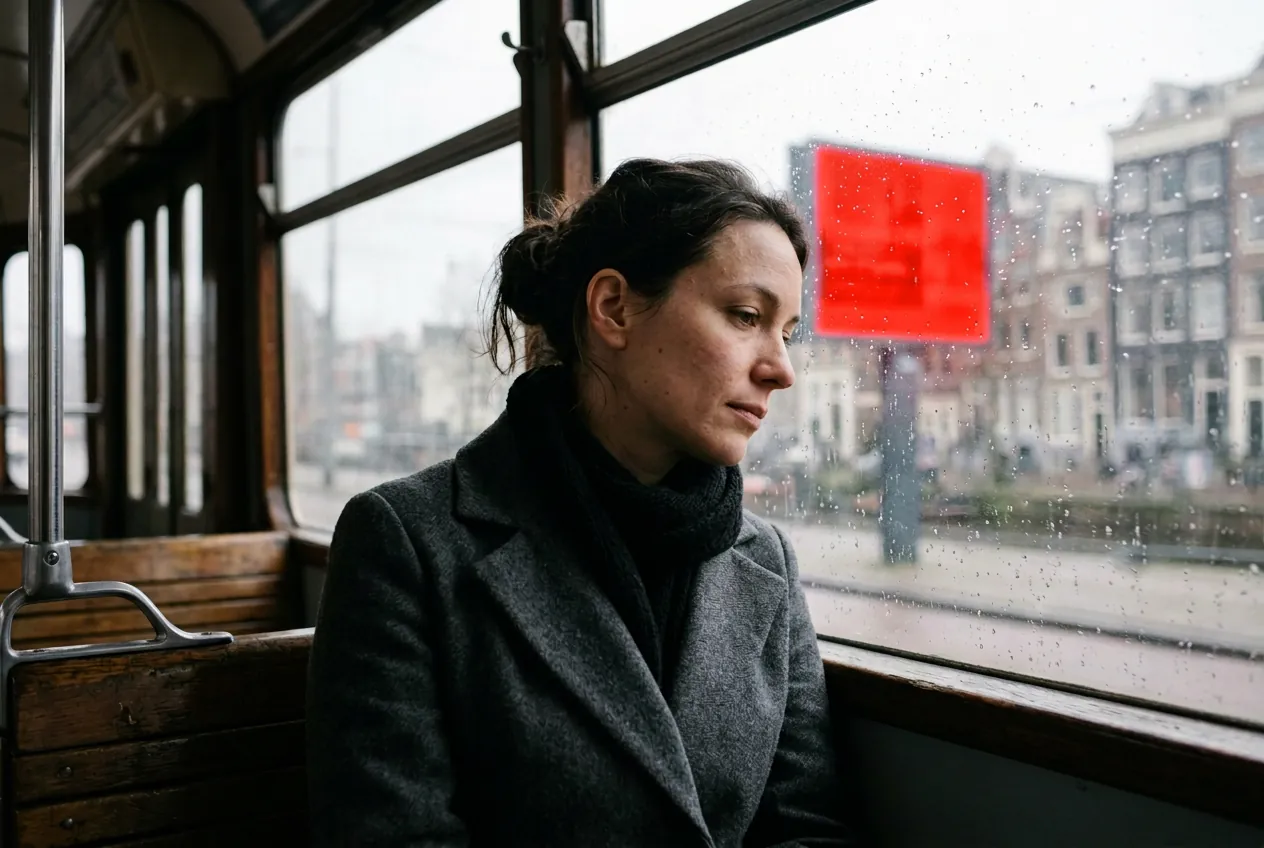
For Morrow’s Run Loud, the six-second film was the first thing we storyboarded: a runner, a wall of red paper, the moment she breaks through. The 60-second film grew out of it, not the other way around.
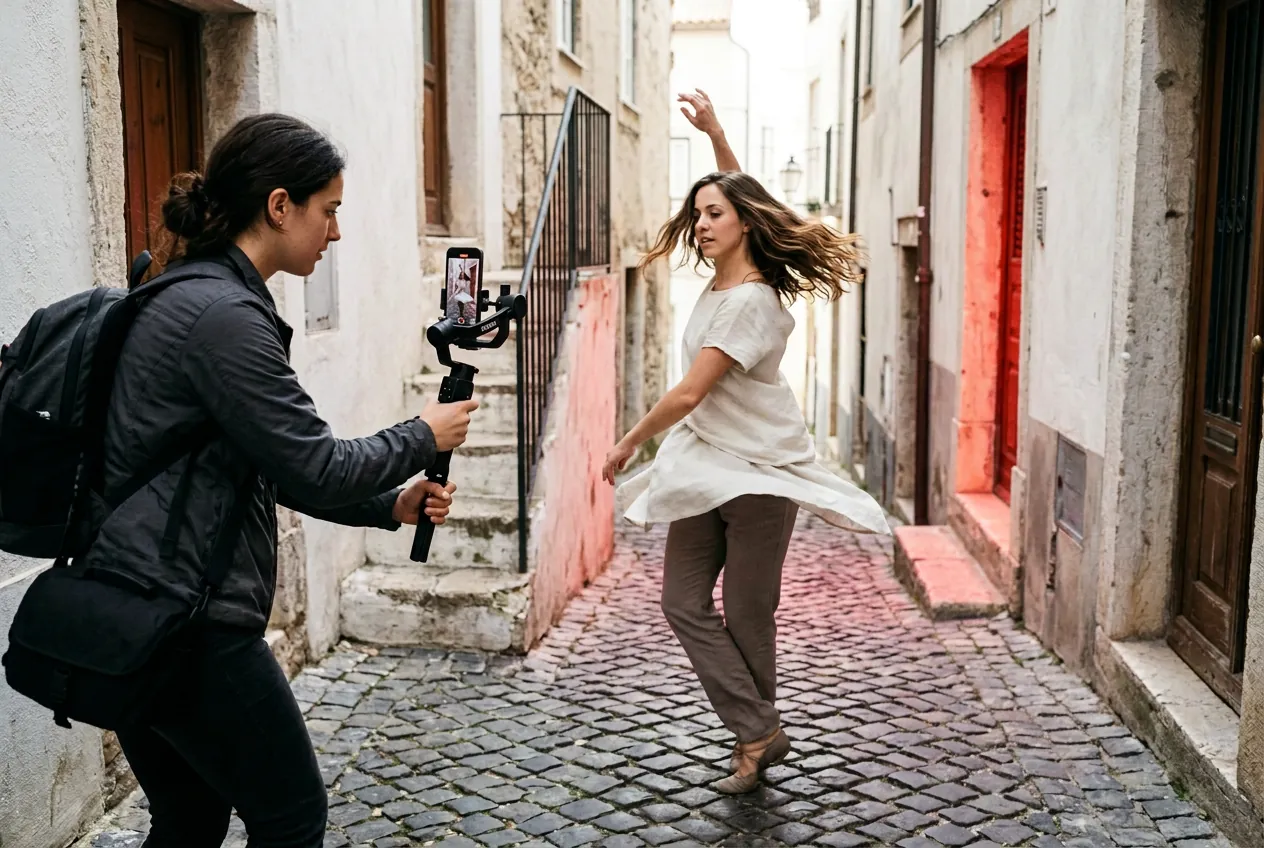
Vertical first means the phone is the camera on set, not an afterthought.
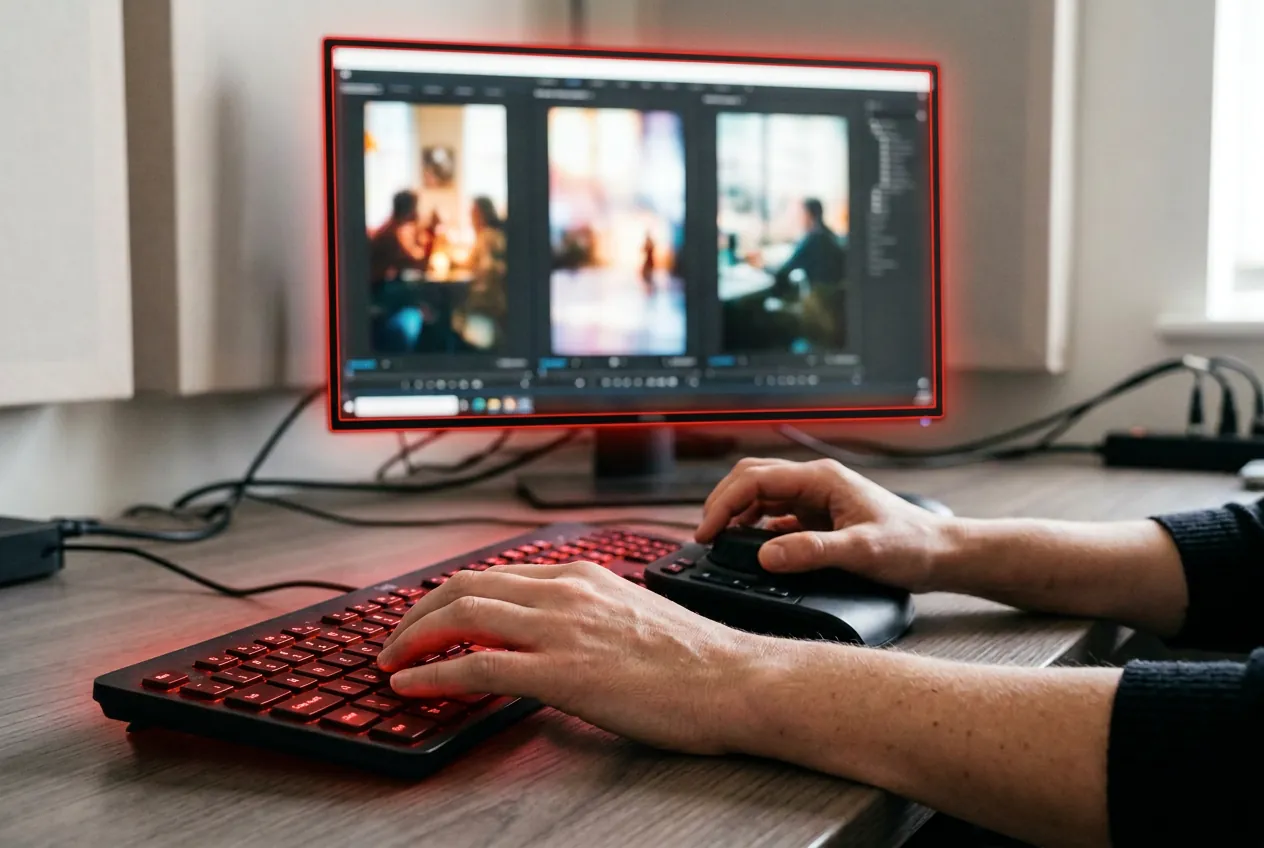
How we shoot for it
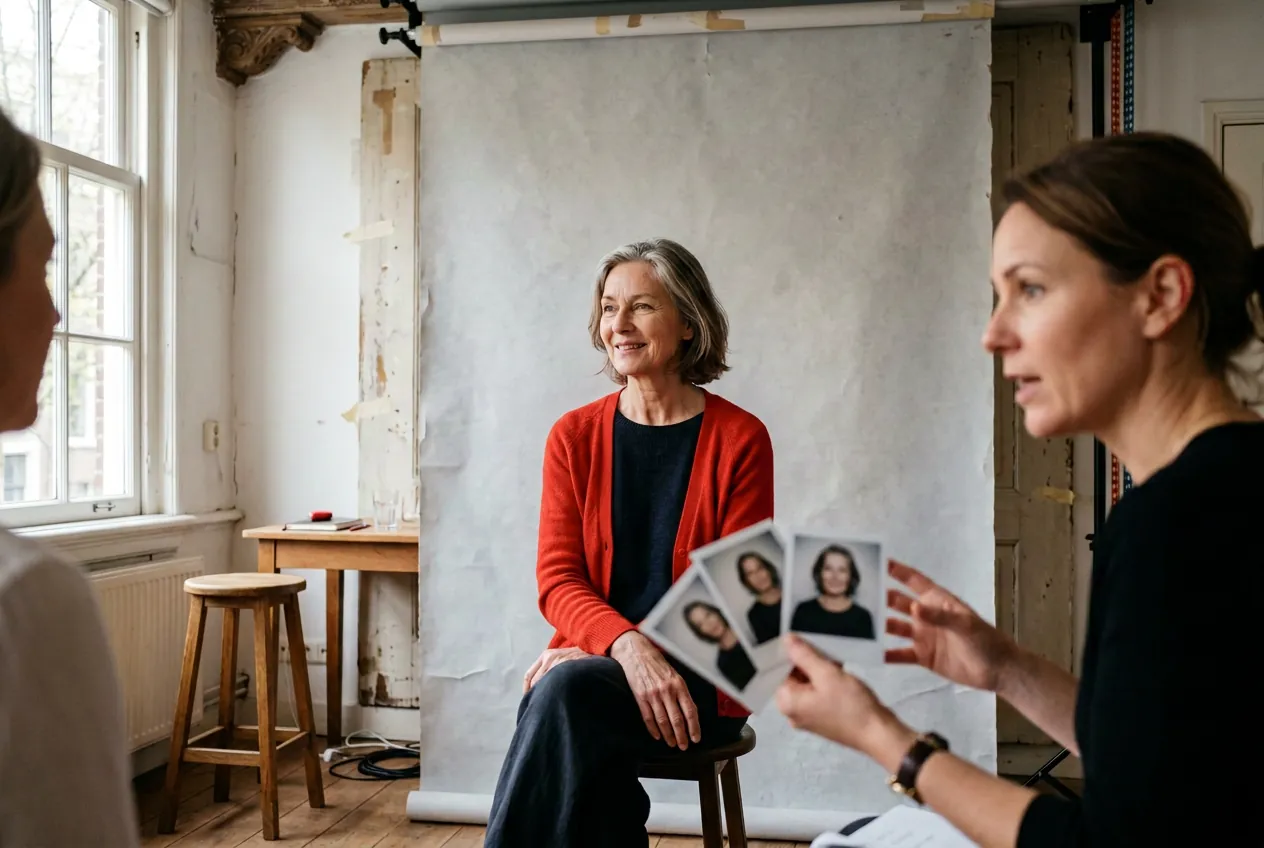
Frame for vertical first. We protect a vertical safe area on every set-up, then widen out for the long film.
Shoot the turn twice. The moment that changes everything, the break, the reveal, the laugh, gets its own set-up in close-up, because that is the shot social lives on.
Write the first second. The opening frame has to stop a thumb on its own, before any motion. We design it like a poster.
If the short film only works after you have seen the long one, it is not a film. It is a reminder.
What it does to the numbers
Across our last twelve campaigns, short edits written as their own films held viewers to the end about twice as often as cut-downs did, and they cost less per completed view. The long film did not suffer. If anything, it got tighter, because the idea had to survive six seconds before it earned sixty.
Next time you brief a campaign, ask to see the six-second version on the first storyboard. If nobody can draw it, the idea probably is not finished yet.